Posts

Understanding the Waste Crisis in Developing Countries

Image
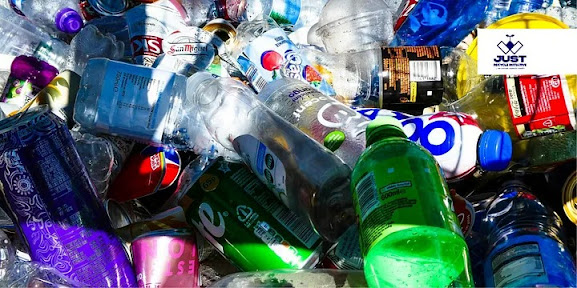
  By Best Precious Imagine stepping out of your house in the morning and seeing piles of waste along the roadside. You see plastic bags tangled in gutters and smell something in the air. For people in developing countries this is what they see and smell every day.. How often do we think about how all that waste gets there and where it is meant to go? In developing countries managing waste is becoming a big problem. As cities grow and more people live there more waste is made every day. The systems needed to manage this waste often can't keep up. In some communities, waste collection services are limited and inconsistent. As a result people throw their trash in open spaces, waterways or burn it. These practices contribute to environmental pollution, blocked drainage systems, flooding, and serious health risks. Plastic waste has made the situation worse. Many people use single-use plastics because they are easy to use. Only a small part of it is recycled properly. The rest ends up po...

Reimagining Fashion with Raffia: A Sustainable Alternative

Image
By Oyedele Joshua The fashion world today faces a pressing imperative to balance creativity, style, and consumer demand with environmental responsibility. Conventional fashion production is based on synthetic fibers, chemical treatments, and energy-intensive processes, all of which generate pollution, resource depletion, and carbon footprints. Growing awareness of these issues has led many in the fashion industry to explore sustainable alternatives one of the most promising of which is raffia. Raffia is a natural material derived from raffia palm leaves that originally come from Africa, Madagascar, and Asia. For its unique properties flexibility, strength, and biodegradability, raffia is discovered to be one excellent material for eco-fashion. Raffia initially utilized in basket and craft-making is now increasingly discovered in modern fashion. Raffia is utilized in bags, shoes, hats, and accessories in modern fashion. What makes raffia special is its environmental advantage. As oppose...

Turning Waste into Solutions: How the Circular Economy Can Tackle Climate Change

Image
By Precious Best Every time we throw something away, we contribute to a growing problem waste that not only pollutes our environment but also fuels the warming of our planet. Landfills aren’t just a dumping ground; they’re massive contributors to greenhouse gas emissions. As organic materials decompose in landfills, they release methane, a potent greenhouse gas that traps heat in our atmosphere. Plastic waste, often incinerated or left to languish in the environment, breaks down into microplastics and releases toxic chemicals that can harm wildlife and human health. These byproducts of our throwaway culture are pushing our planet toward an unsustainable future. But there’s a solution: the circular economy. This innovative model challenges the traditional “take, make, dispose” approach by redesigning systems to reduce, reuse, and recycle. Instead of extracting finite resources, we can keep materials circulating in the economy, extending their life and minimizing waste. At the heart of...

The Impact of Contamination on Recycling Efforts

Image
  By Ruth Oshuwa Irimonre Recycling is great, but a single misplaced item can spoil an entire batch. Contamination happens when dirty or non-recyclable items get into the recycling bin like; dirty pizza boxes or food-stained plastics. Why does this affect us? *   It Increases waste: contaminated batches often go straight to landfills. *   Raises costs: sorting and cleaning take extra time and money. *   Damages equipment: items like plastic bags can clog machines. How can we do better? ✅ Wash recyclables before tossing them in ✅ Sort properly, check local recycling guidelines. ✅ Keep food and liquids out. Recycling is only effective if we do it properly. Let’s keep it clean and make a positive difference! Stay tuned for more insights and updates on innovative environmental initiatives and educational strategies by following our blog and engaging with us on social media.

Recycling In the Workplace: Best Practices and Implementation

Image
  By Best Precious Your office trash; paper, plastic, coffee cups, and packaging, just to name a few. If there isn’t a recycling program in place, it all ends up in the landfill. But sustainability isn’t cool anymore, it’s necessary. A good recycling program doesn’t just help the world; it can make your company money, too. So how does your office do it? 1. Know Your Trash: Start by briefly canvassing the most common types of trash that your office is generating. This informs you about what needs a recycling solution. 2. Keep Recycling Simple: Place simply labeled recycling bins in handy locations where workers can easily drop off their trash without giving it a second thought. 3. Inform the Staff: Use posters, e-mails, or short team meetings to tell employees what can and cannot be recycled. The clearer, the better the program. By recycling and keeping it easy and convenient, your office can do a great deal towards sustainability and create a greener office culture. Stay tuned for...

The Recycling Process: From Collection To Final Product

Image
  By Ruth Irimonre We all talk about recycling, but do you ever wonder what becomes of your garbage when you throw it into the recycling bin? It does not magically disappear, there is a whole process involved in utilizing old to create something new. Let us de-mystify it in a simple, relatable way. Step 1: Collection: Where It All Starts It all starts when you toss your soda can, discarded newspaper, or plastic bottle in the recycling can. Waste collection personnel pick it up and bring it to a recycling facility. Fun fact: All that you think can be recycled cannot be. Greasy pizza boxes and certain plastics are examples of such materials. They cannot be properly sorted. It is for this reason that they need to be sorted properly. Step 2: Sorting: The Cleanup Crew Gets to Work The recycling plant sort everything by material — paper, plastic, glass, and metal. Workers sort them out using machines so only the right material goes on. Why sort things? Because they treat different materi...

Waste-to-Energy: Pros and Cons of This Emerging Technology

Image
  By Best Precious Think about your own trash can: after removing all that could be recycled, there is still trash left-food scraps, broken plastic, old clothes. We all understand very well that waste is a huge problem: landfills are filling up, trash too often ends up polluting our environment, and at the same time, the world is always in search of new ways to produce energy. That is where Waste-to-Energy comes in. WTE technology transforms the non-recyclable wastes into utilizable forms of energy like electricity, heat, or fuel. As WTE is a new technology, therefore, it entails certain benefits and drawbacks associated with WTE. THE PROS 1. Waste reduction to landfill: Waste-to-energy technology reduces the environmental as well as space-related problems associated with landfills, including water groundwater contamination and lack of land. 2. Renewable energy generation: It generates energy from waste that cannot be recycled. Energy harnessed in this manner can also be used for h...